


.png)


Dialogues


Lessons from Hamlet: How Indecision Helps Us Make the Best Choice
Hamlet may appear indecisive and inconsistent, but he was in fact far more rational than many confident politicians. Indecisiveness can even help us make rational choices, says Ozgur Evren, a professor at the New Economic School. Yet circumstances themselves often force us to act more quickly. In an interview with GURU, Ozgur discusses the decision theory that he studies.

Dalia Ofer: Gur Was My Best Friend
Gur Ofer, co-founder of the New Economic School (NES), passed away four years ago. NES Alumni Magazine published in a recent issue an interview with his widow, Dalia Ofer, Professor Emeritus at the Melton Centre for Jewish Education at the Hebrew University of Jerusalem, where she reflects on their life together with Gur, being two scholars – a historian and an economist. Her memories span sixty-five years, from their wedding as young people on a kibbutz to the pinnacle of their international academic careers. These memories also add many new dimensions to the portrait of one of the School's founders. GURU shares an abridged version of the interview by Ekaterina Sivyakova.
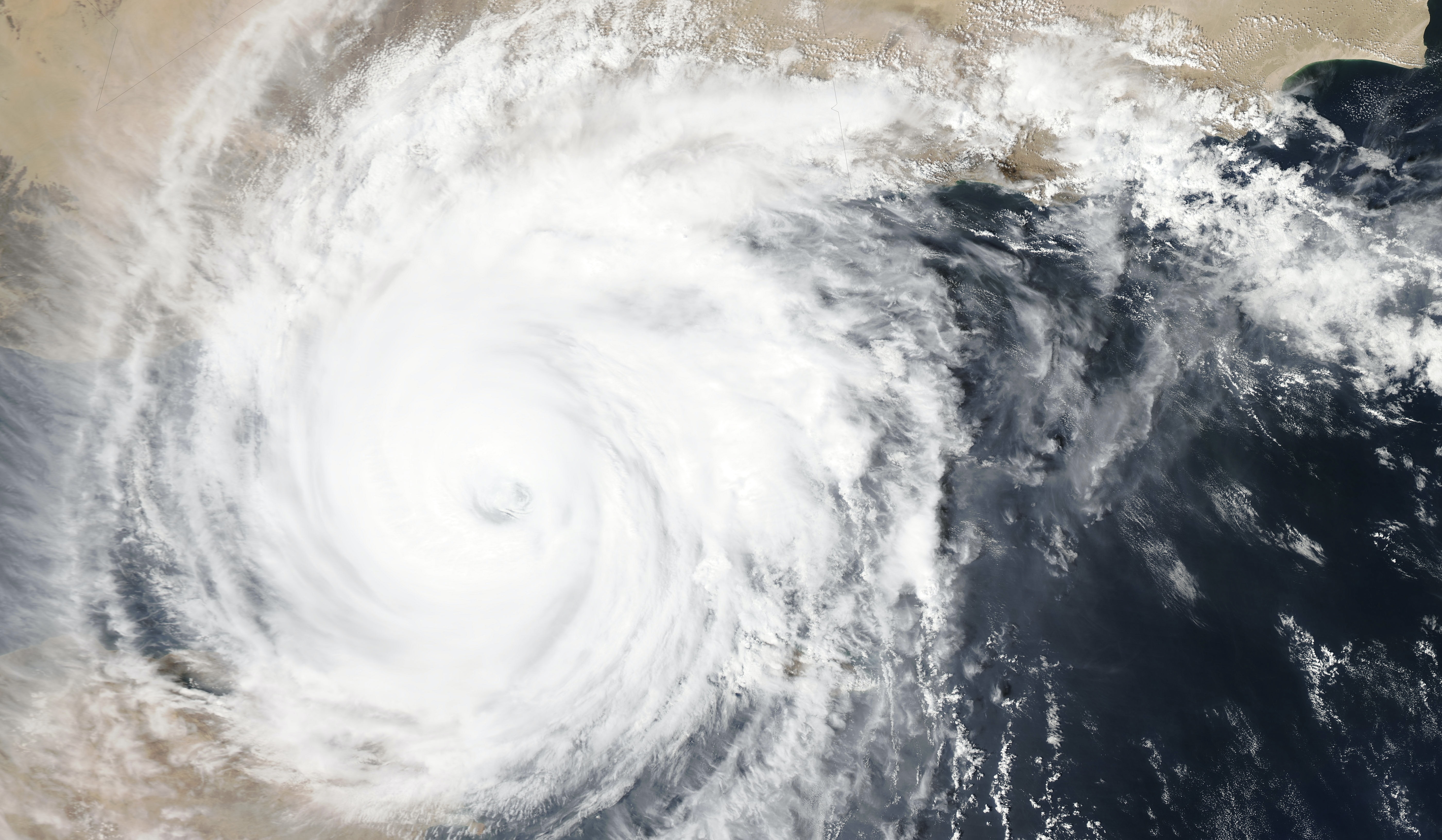
The Past and Present Climate Impact on Economy
The interplay between climate and economy was one of the topics of the "Economics out Loud" podcast. Wasn’t the entire economic development since ancient times happening under the influence of climate change and hasn’t humanity overestimated its independence from the weather? Natalia Lamberova, a Professor at the University of Texas at Dallas, and Oleg Demidov, NES graduate and co-founder of CarbonSpace, a technology company that monitors greenhouse gas emissions, talked about the history and examples of the impact of climate on the economy; humanity’s ways of adapting to weather changes; climate’s impact on conflicts, institutions and culture; the price that humanity paid for global cooling and may now pay for global warming. There may be no bad weather, but research shows that not all weather is good for economic growth. GURU presents an interview based on the podcast episode.

Culture, institutions and economic development: interlinkages and issues
What is driving economic growth? What is the nature and causes of the wealth of nations? Why some nations moved from poverty to prosperity while others, on the contrary, fell into miserable poverty? These are all perennial questions for scholars. How economic development is interlinked with institutions, culture, religion and history – these issues are discussed by Ian Melkumov, a GURU author, with Jean-Philippe Platteau, Emeritus Professor of Economics at the University of Namur, Belgium, and Shlomo Weber, President and Professor of Economics, New Economic School in Moscow, and Professor of Economics, Southern Methodist University, Dallas, Texas. How culture and economy can move together or get stuck together, how crises are testing the strength of institutions, how populists are using traditional values to grab power, how the Golden Horde rule over Russia affected its development and what are the roots of Russian resentment against the West – these are just a few points of their conversation.
Institutions that foster and retard economic development
GURU talked to NES Assistant Professor of Economics Sultan Mehmood about his research on state capacity, institution building and changing deeply rooted social norms.


Why Foreign Professors Choose NES
Вопрос-ответ
О чем раздел «Диалоги»?
В разделе публикуются интервью и беседы с экспертами об экономике, финансах, обществе, истории, технологиях, рынках и профессиональных траекториях. Это формат, в котором тема раскрывается через вопросы, ответы, уточнения и личный опыт специалистов.
Чем диалоги отличаются от лекций?
Лекции обычно построены как последовательное объяснение темы, а диалоги ближе к интервью или экспертной беседе. В них важны разные точки зрения, примеры из практики и ответы на конкретные вопросы. Видеолекции можно посмотреть в разделе «Видео».
Какие эксперты участвуют в материалах?
В диалогах участвуют экономисты, исследователи, преподаватели, выпускники РЭШ, представители бизнеса, финансового сектора и других профессиональных областей. Дополнительные экспертные материалы можно найти в разделе «Статьи».
Почему интервью помогают лучше понять экономику?
В интервью эксперт не только объясняет факты, но и показывает, как он рассуждает: на какие данные опирается, какие связи видит и почему делает определенные выводы. Такой формат помогает развивать экономическое мышление, а не просто запоминать отдельные термины.
Подойдут ли «Диалоги» для широкой аудитории?
Да, материалы можно читать без специального экономического образования. Если в тексте встречаются сложные понятия, их можно дополнительно уточнить в экономическом словаре или финансовом словаре.
Как использовать диалоги для самообразования?
Можно выбрать интервью по интересующей теме, затем перейти к связанным статьям, подкастам или книжным рекомендациям. Для продолжения изучения подойдут «Статьи», «Подкасты» и «Полка от экспертов».
Какие темы чаще всего раскрываются через беседы?
В диалогах удобно разбирать темы, где важны контекст и экспертная позиция: экономическая история, институты, рынки, кризисы, поведение людей, образование, технологии и общественные изменения. Смежные материалы можно искать в подборках по темам.